If the cat bites you, here’s what it really means
Playfulness
Cats are naturally playful creatures and, of course, need space to explore their world. Sometimes, cats will bite gently during play, especially when they’re overstimulated. These playful nips are usually not aggressive and don’t break the skin – though we all know they can still hurt!
Love Bites
If your cat really likes you, it’s not unusual for them to give you a little nibble now and then. It’s just their way of saying you’ve done a great job! Cats may give soft, gentle bites as a way to show affection. This often happens when they’re purring or enjoying being petted.
“They may be saying, ‘I’m enjoying this interaction but it’s becoming too much for me. I’m nearing my limit,’” says Samantha Bell, a cat expert from Best Friends Animal Society.
A cat might also give a playful nip when it’s hungry, signaling a request for food. Similarly, these affectionate bites can also be a subtle way for a cat to ask for more attention or affection. Rather than being a sign of aggression, these nibbles are typically a cat’s way of expressing its needs and reinforcing its bond with its owner.
Overstimulation
Just like us, cats can sometimes get overwhelmed by too many sensations. It can be hard to process all their emotions at once, and they might act out in ways they normally wouldn’t. The same thing goes for cats. Some cats become overstimulated from too much petting or attention. They may give a quick bite to let you know they need some space.

Fear or stress
This is probably the first thing that comes to mind for anyone who’s been bitten by a cat. And it’s a natural defense mechanism for all felines. If a cat feels threatened or scared, they may bite as a way to protect themselves.
Pain or discomfort
Many people may not realize that a cat bite can be a sign of something more serious. If a cat bites unexpectedly, it could be due to pain or illness. A vet check-up can help rule out any underlying health issues.
Territorial behavior
Cats are naturally territorial animals, and biting can often be a way for them to assert dominance or protect their space. Whether it’s their favorite spot on the couch, a cherished toy, or even a specific area in the house they consider theirs, a cat might bite to defend what they see as their personal territory. This behavior is usually a response to feeling threatened or insecure, reminding us that, like their wild ancestors, cats still have strong instincts to protect their environment.
Young cats and kittens
Young cats and kittens are known for their playful and energetic nature, often engaging in rough play that includes biting their owners’ hands or feet.
While this behavior may seem adorable and harmless when they are small, it’s important to recognize that encouraging such play can have long-term consequences. Kittens learn about their environment and social boundaries through play, and if they are allowed to bite hands or feet during their early months, they may carry this behavior into adulthood.
As cats grow, their bites can become more forceful and painful, potentially causing harm to their human companions. To prevent this, it’s crucial to redirect their playful energy towards appropriate toys and activities, teaching them that hands and feet are not suitable playthings. By establishing these boundaries early on, you can help ensure that your cat grows into a well-mannered adult, reducing the risk of injury and fostering a more positive interaction with your feline friend.

How you treat a cat bite
Cat bites, especially those that are deeper, can pose significant risks to both humans and animals. This is due to the bacteria present in a cat’s mouth, which can be harmful if introduced into the bloodstream or an open wound.
The sharp teeth of cats are capable of penetrating deeply into the skin, potentially allowing these bacteria to invade the underlying tissues. This can lead to serious infections and complications, making it essential to treat cat bites promptly and effectively to prevent further health issues.
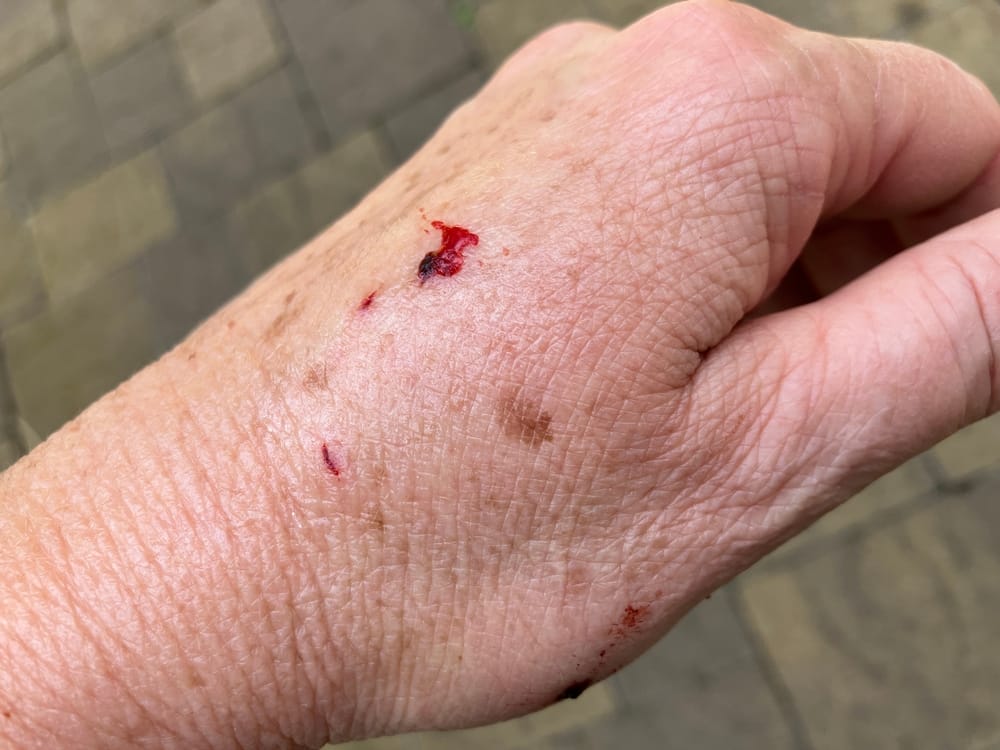
So, if an accident occurs, it’s crucial to take immediate action to care for the wound. Start by thoroughly cleaning the area with mild soap and running water. Next, apply an antiseptic solution to help prevent infection. Finally, cover the wound with a clean, sterile bandage to protect it from further contamination.